
Introduction
online marketing basics guides jump straight into tools, platforms, and tactics. But the campaigns that actually work don’t start there. They start with fundamentals—intent, clarity, and consistency.
When these basics are solid, results compound quietly over time. When they’re skipped, even well-designed campaigns stall, no matter how “optimized” they look. This article breaks down the online marketing basics most guides ignore—the same principles experienced marketers rely on, but rarely explain clearly.
If you want marketing that builds momentum instead of constant restarts, this is where it begins.
Why this matters now
The internet is saturated with tactics. What’s missing is understanding. Many campaigns fail not because channels are wrong, but because fundamentals are skipped. This article focuses on the basics that experienced marketers rely on—but rarely spell out.
The three fundamentals that quietly decide outcomes online marketing basics
1) Intent beats reach
Reach feels good; intent converts. High-intent moments (searches, comparisons, problem-focused reads) outperform broad exposure when resources are limited.
Actionable tip: Write down the exact question your ideal user asks right before taking action. Build around that.
2) Clarity compounds faster than creativity
Clear explanations win trust. Trust wins time. Time wins decisions.
[Pro-Tip] From real usage, pages that explain one thing exceptionally well outperform pages that try to cover everything.
3) Consistency creates signals
Algorithms notice patterns. Users do too. Inconsistent publishing or messaging resets momentum.

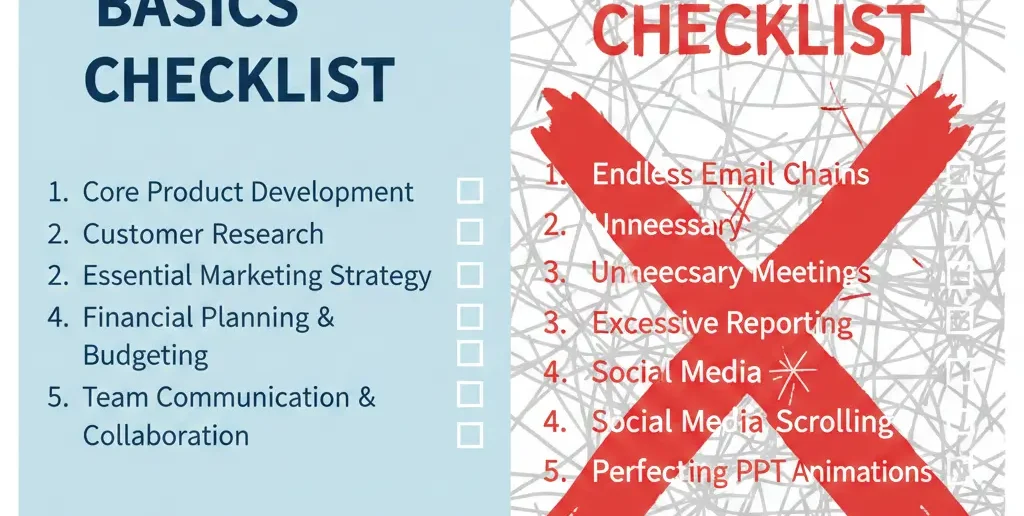
A practical table: basics vs. busywork
| Do This First | Why It Works | Skip This Early |
| Define one problem | Keeps focus sharp | Platform hopping |
| One core message | Builds recognition | Trend chasing |
| Simple metrics | Shows progress | Vanity numbers |
| Consistent cadence | Trains algorithms | Random posting |
Common mistakes (and fixes you can apply today)
Mistake: Starting with tools and templates
Fix: Start with words—what you say matters before how you publish it.
Mistake: Writing for algorithms
Fix: Write for people; algorithms follow engagement.
Mistake: Measuring the wrong thing
Fix: Track actions that indicate understanding (time on page, replies, questions).
[Expert Warning] If your message isn’t clear to a first-time reader, no amount of optimization will save it.
Information Gain: the missing basic—decision friction
Most guides ignore friction. Every extra step, unclear promise, or mixed message delays decisions. Reducing friction—shorter explanations, obvious next steps, fewer choices—often improves results more than adding features.
Unique section: Practical insight from experience
In practical situations, removing one confusing paragraph improved conversions more than adding testimonials. Less content—when clearer—often performs better than more content.
[Money-Saving Recommendation] Before paying for ads, simplify your core page until a stranger can explain it back to you in one sentence.
How to apply these basics in a week
Day 1–2: Identify one audience question.
Day 3: Rewrite your main explanation for clarity.
Day 4: Remove distractions (extra CTAs, side topics).
Day 5–7: Publish consistently and observe engagement.
Learn visually (recommended watch)
YouTube: https://www.youtube.com/watch?v=K6T7pQ9b3mA
Explains marketing fundamentals with a focus on clarity and intent.
FAQs
Are online marketing basics still relevant?
Yes. Fundamentals drive results regardless of platform changes.
What’s the most important basic to master first?
Understanding user intent.
Do tools matter at the start?
Only after your message is clear.
How often should I publish?
Consistently—quality matters more than frequency.
Can basics outperform advanced tactics?
Often, yes—especially with limited resources.
Internal linking plan
What Is Digital Marketing? A Clear, Real-World Explanation
Digital Marketing for Beginners: Where to Start and Why
External link
Conclusion
Online marketing basics aren’t exciting—but they’re powerful. Master intent, write clearly, and stay consistent. When fundamentals are solid, every tactic works better.