Introduction
Online tools small businesses choose can either accelerate growth or quietly drain your budget.It usually starts with good intentions.
You want to look professional. You want to be organized. You want to grow faster.
So you subscribe to a task manager, an email tool, a CRM, a marketing platform, and maybe an automation tool — all before your business has real traction.
A few months later, you’re paying for 6–10 subscriptions, using only a fraction of their features, and still struggling with missed deadlines, weak marketing results, and messy customer follow-ups.
The problem isn’t that small businesses lack good software.
Why this matters now online tools small
Small businesses face tighter margins and higher expectations. Tool subscriptions add up quickly, often before revenue justifies them. This guide focuses on tools that support essential business functions and scale only when needed.
A budget-first way to think about business online tools small
Instead of asking “What tools should I buy?” ask:
“Which process is costing me the most time or money right now?”
[Pro-Tip] From real usage, the best budget tools replace manual effort—not people.
Core tool category 1: Operations & organization
These tools keep daily work predictable and visible.
Best for
Task tracking
Basic project coordination
Internal documentation
Budget insight
Free tiers often cover small teams comfortably.
Common mistake
Adopting enterprise-level tools too early.
Fix: Start simple; upgrade only when limits block work.
Core tool category 2: Marketing & customer reach
Marketing tools should clarify demand, not inflate costs.
Best for
Email newsletters
Content publishing
Search visibility tracking
Reality check
You don’t need automation to build relationships.
[Expert Warning] Paying for marketing tools before proving your message often hides real problems.
Core tool category 3: Sales & customer management (lightweight CRM)
Customer tracking doesn’t require heavy systems.
Best for
Contact history
Follow-up reminders
Simple pipelines
When it’s enough
If you can see who to contact next, it’s working.
Core tool category 4: Finance & admin basics
These tools protect cash flow.
Best for
Invoicing
Expense tracking
Simple reporting
[Money-Saving Recommendation] Separate finance tools from productivity tools—mixing them increases errors.
Comparison table: business needs vs tool types
| Business Need | Tool Type | Why It’s Budget-Friendly |
| Task management | Free planners | Reduce missed work |
| Marketing | Free email tools | Build relationships |
| Sales tracking | Lightweight CRM | Prevent lost leads |
| Finance | Basic accounting | Control cash flow |
Information Gain: the hidden cost of “cheap” online tools small
The cheapest tool can be the most expensive if it slows decisions or creates confusion. Budget tools work best when they simplify processes, not when they add features.
Unique section: Beginner mistake most online tools small people make
Small businesses often subscribe to tools to feel prepared. In practice, preparedness comes from clarity, not dashboards. Tools should support decisions already being made.
[Pro-Tip] If a tool doesn’t help you decide faster, it’s not helping.
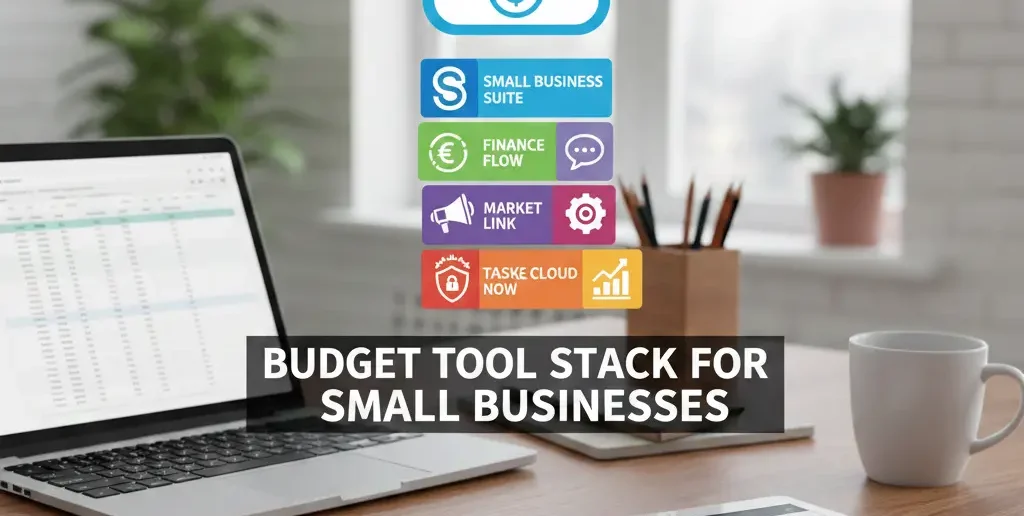
A simple budget online tools small stack
One task/operations tool
One email/marketing tool
One contact management tool
One finance/admin tool
This stack covers 80% of small business needs.
Learn visually
YouTube: https://www.youtube.com/watch?v=3JLuZ5XQ7mE
Explains how small businesses choose tools without overspending.
FAQs
Are free tools reliable for businesses?
Yes, for early stages and small teams.
When should a business upgrade tools?
When limits block workflow—not before.
Do small businesses need CRM software?
A simple contact tracker is often enough.
How many tools should a small business use?
As few as possible to stay organized.
Can tools replace staff?
No—but they can save time and reduce errors.
Internal linking plan
Free Marketing Tools Online That Actually Help
Free Online Tools for Productivity (No Fluff)
External linking plan
Startup tools & resources for small businesses
Free bookkeeping tools & resources
Conclusion
Online tools for small businesses work best when chosen with restraint. Focus on removing friction, controlling costs, and upgrading only when necessary. Simplicity keeps budgets—and teams—healthy.